Top Warehouse Cleaning Services Near Me in Downtown Los Angeles
Warehouse cleaning needs to work around people, inventory and movement, not simply make an empty floor look polished. True Clean Custodial Services helps property managers discuss practical janitorial programs for Downtown Los Angeles warehouses, wholesale buildings and logistics spaces. A walkthrough identifies traffic patterns, floor materials, access requirements and the areas that actually need attention. From an Arts District stockroom to a Boyle Heights distribution building, the goal is a clear written scope that separates routine cleaning from specialist industrial work.
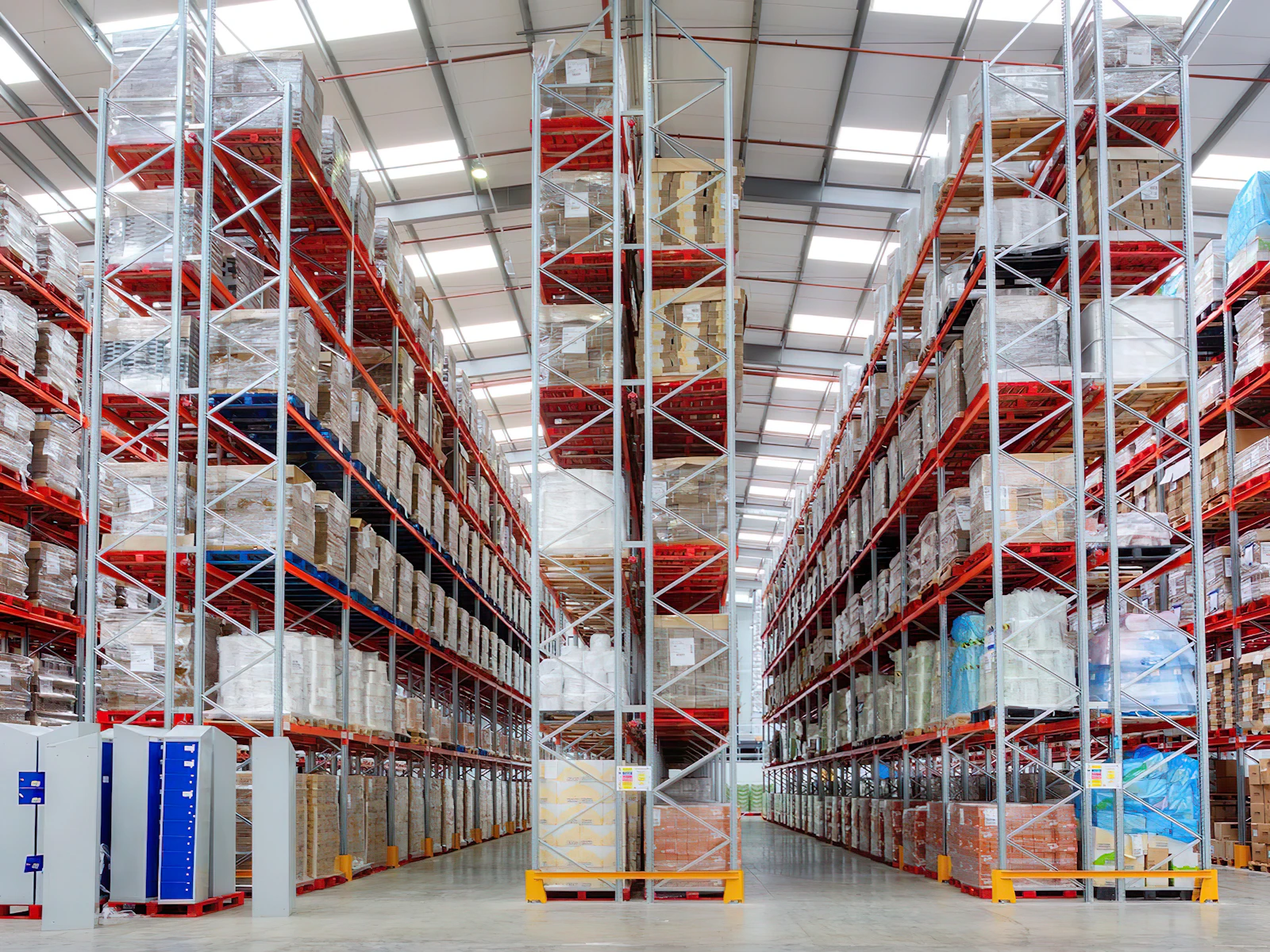
What does warehouse cleaning in Downtown Los Angeles include?
Warehouse janitorial cleaning can include accessible floor cleaning, dust removal, restroom sanitation, breakroom care and ordinary trash collection. The final task list depends on your facility, operating schedule and an agreed walkthrough.
Start by separating employee areas, circulation routes and storage zones. A warehouse with a small office, two restrooms and a busy receiving lane needs a different sequence from a wholesale showroom with extensive shelving. We discuss which spaces remain occupied during service, where equipment can be staged and how cleaning tools will move without interfering with deliveries. This keeps the proposal tied to useful work rather than a generic square-footage assumption.
In the Toy Warehouse District, packaging debris and foot traffic can build up quickly around entrances and stock handling areas. An Arts District building may combine creative offices with active storage. We identify recurring tasks, periodic detail work and exclusions separately, so a supervisor knows what should happen on an ordinary visit and what requires an additional project.
- Accessible aisles, entrances and pedestrian routes
- Restrooms, employee breakrooms and office support areas
- Agreed dusting, spot cleaning and ordinary waste removal
How should high dust and heavy machinery floor scrubbing be planned?
High-dust removal and machine scrubbing require a surface assessment, safe access and a protected work zone. Elevated work, hazardous dust and cleaning around operating machinery should never be treated as ordinary unrestricted janitorial tasks.
A walkthrough should establish floor coatings, drainage limitations, existing damage and the kind of residue present. Concrete, sealed concrete and coated floors respond differently to chemicals and pads. Discuss test areas, drying time and how nearby inventory will be protected before approving a large scrub. Oil, unknown powders or chemical residue may call for specialist assessment rather than a standard cleaning product.
For elevated ledges, pipes or structural surfaces, confirm height, access equipment and personnel qualifications before adding work to a schedule. Cleaning staff should not climb warehouse racking or reach across moving equipment. Machinery servicing and lockout procedures remain under authorized site control. If a task cannot be performed safely within the agreed janitorial scope, it should be identified and referred rather than improvised during a night visit.
How can cleaning support OSHA-aware safety practices at a logistics hub?
A cleaning plan can support housekeeping expectations by addressing debris, wet floors and agreed pedestrian areas. It does not certify a facility as OSHA compliant or replace the employer’s safety program and hazard assessment.
Before service begins, discuss forklift routes, emergency exits, loading schedules and the building’s reporting process. Wet-floor signs and controlled access matter even when a cleaning shift occurs after normal office hours. Employees, drivers or security personnel may still enter the property. Cleaning should be coordinated with site management so that equipment, hoses and drying surfaces do not create a new obstruction.
Document how the team should report spills, damaged surfaces, blocked routes or unknown materials. Ordinary packaging waste is not the same as hazardous waste, regulated medical waste or an unidentified liquid. Define what cleaners may handle and who is responsible for specialist disposal. Written boundaries are particularly helpful in mixed-use industrial buildings where several tenants share receiving areas but control different operations.
How do we schedule warehouse service in the Arts District and Boyle Heights?
The best schedule follows your receiving windows, staffing patterns and security rules. Recurring cleaning, periodic floor work and after-hours projects should be discussed separately so the plan matches actual access.
Bring operating hours, approximate floor area and a list of priority spaces to the walkthrough. Note whether trucks arrive overnight, whether offices lock independently and whether one tenant controls the entire building. A smaller warehouse may need focused recurring janitorial visits, while a high-volume logistics site may require a carefully staged project window. Availability and staffing are confirmed in writing, not assumed from a website inquiry.
Downtown access can involve shared gates, limited staging and a designated building contact. Review entry credentials, alarm instructions and closing responsibilities without sharing sensitive codes in a public form. Our commercial service focus includes the Greater Los Angeles Area as well as DTLA. A neighborhood page describes relevant local conditions; it is not a geographic eligibility checker.
What information helps produce a useful warehouse cleaning proposal?
A useful proposal starts with the building’s size, surfaces, usage, desired frequency and clearly identified priorities. A site visit helps verify those details before scope, staffing and pricing are finalized.
Tell us where cleaning currently falls short: dusty offices, tracked-in debris, restroom upkeep or buildup on accessible floors. Include any restrictions on water use, approved products, waste collection and equipment storage. If you have a tenant handbook or a housekeeping checklist, mention it during scheduling so the walkthrough can address the same expectations.
The written proposal should distinguish included tasks from optional projects, identify access assumptions and explain how changes are approved. That makes it easier to compare services fairly and adjust the program when your operation changes. Use the inquiry form below or call our business number to arrange the next conversation.
Which Los Angeles communities can inquire?
Serving Greater Los Angeles and Downtown Los Angeles (DTLA).
- Downtown Los Angeles (DTLA)
- Arts District
- South Park District
- Historic Core District
- Fashion District
- Toy Warehouse District
- Boyle Heights
- Greater Los Angeles Area
Frequently asked questions
Can cleaning take place while a warehouse is operating?
Some tasks can be staged around operations, but active traffic, machinery and floor drying must be assessed first. Tell us your delivery and staffing schedule so a safe access window can be discussed.
Does routine warehouse cleaning include hazardous waste?
No. Hazardous materials, unknown spills and regulated waste require an appropriately qualified service and an expressly approved scope. Describe known concerns during the walkthrough rather than placing them in ordinary trash.
Do you accept warehouse inquiries outside DTLA?
Yes. Our warehouse programs focus on Greater Los Angeles as well as DTLA. Enter your location freely; the website does not reject an inquiry based on a city or ZIP code.
How can I arrange a walkthrough?
Call True Clean Custodial Services at (562) 212-5689 to discuss your property. The interactive inquiry form loads with JavaScript; you can call or text our business number without it.