Specialized Medical Facility Cleaning Services Near Me in Los Angeles
Medical properties need unusually clear boundaries between ordinary housekeeping and clinical responsibilities. True Clean Custodial Services welcomes inquiries about medical office and non-clinical facility cleaning in Los Angeles, including Downtown Los Angeles, Boyle Heights and South Park. The first conversation should identify the type of practice, occupied areas, approved procedures and any work that requires a specialist provider. This page is a planning guide, not a claim of clinical certification, instrument-sterilization capability or permission to handle regulated waste. Final service commitments depend on an explicitly approved written scope.
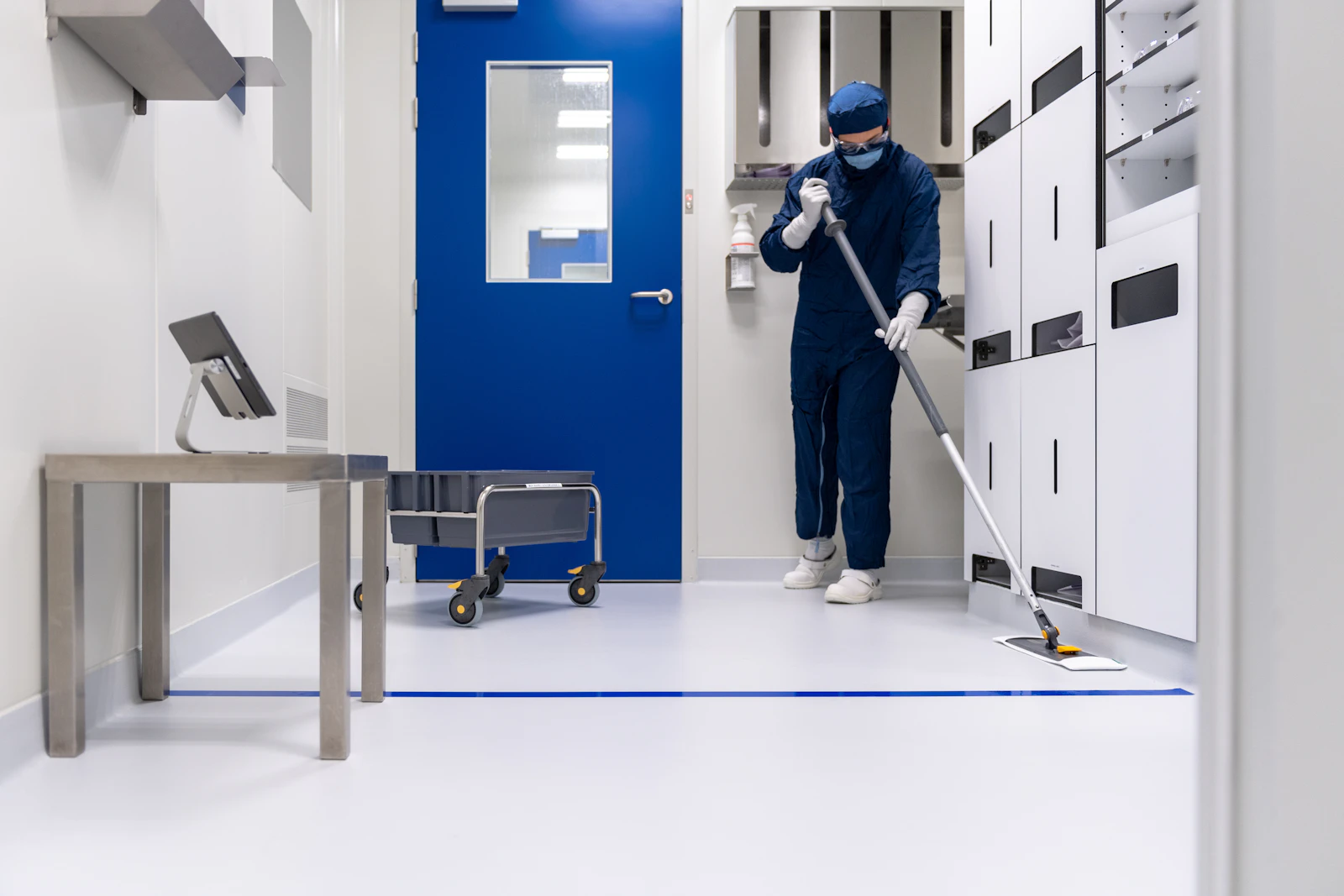
What can a routine medical office cleaning plan include?
A routine plan may address reception areas, administrative offices, staff spaces, restrooms and other specifically approved non-clinical surfaces. Patient-care spaces require the facility’s own infection-prevention requirements and explicit service authorization.
Start by mapping the property into public, administrative, staff-only and clinical areas. A waiting room does not have the same requirements as a procedure room, and an independent practice may use different protocols from a larger facility. Define who approves products, which surfaces can be touched and how cleaning staff should report a spill, exposed sharp or restricted room.
Ordinary janitorial tasks should be written in plain language: remove approved general waste, clean permitted fixtures, maintain accessible floors and address the listed touchpoints. The medical team should identify any exclusions before service begins. A walkthrough is an opportunity to confirm responsibilities, not a reason to assume that every room in a medical building is covered by one generic checklist.
How should terminal cleaning and bio-hazard sanitation requests be handled?
Terminal cleaning, bio-hazard sanitation and regulated waste handling need a facility-approved protocol and appropriately qualified personnel. They are not automatically included in a routine commercial janitorial agreement.
Tell us if your inquiry involves a known exposure, blood or other potentially infectious material, isolation precautions or a room that must meet a clinical turnover standard. Do not put patient names, diagnoses or medical records in the contact form. The facility’s responsible clinical or infection-prevention lead should specify the requirement through a suitable private channel before any work is accepted.
A task involving hazardous material may require a specialist contractor, additional controls and different disposal arrangements. Clinical staff should secure the affected space under their own procedures until the correct response is arranged. A website request does not establish that a proposed service is authorized, appropriately staffed or suitable for a specific exposure. Keeping that distinction clear protects patients, staff and the cleaning team.
What do CDC guidance and HIPAA mean for medical facility cleaning?
Relevant CDC infection-prevention guidance can inform facility-approved cleaning procedures, while HIPAA concerns protected health information and privacy. Neither term should be presented as a blanket janitorial certification or a guarantee of compliance.
The practice should provide the current policies that apply to the proposed work. These can address product selection, cleaning sequence, personal protective equipment, contact times, access and reporting. Product labels and surface compatibility still matter. If a specific process requires documented training or supervision, the requirement must be reviewed before it is included in a service agreement.
Privacy planning is equally practical. Secure screens and records, restrict access to files and define how cleaners enter and leave administrative spaces. Cleaning staff should not access patient charts or sort clinical documents. Any confidentiality agreement or business-associate question should be reviewed by the facility’s appropriate professional adviser. We do not substitute a generic marketing claim for that assessment.
Is surgical center sterilization part of ordinary janitorial service?
No. Surgical instrument sterilization and validated clinical reprocessing are specialized workflows, not ordinary office cleaning. Environmental cleaning around a surgical facility must also follow its authorized protocols and confirmed scope.
If you manage a surgery center, distinguish public areas, staff support areas, procedure environments and sterile-processing operations when making an inquiry. Each has different responsibilities. Cleaners should never open sterile packs, process instruments or decide that a clinical area is ready for patient use. Those responsibilities remain with the properly authorized healthcare personnel and service providers.
Even a seemingly simple floor-care project can need additional coordination in a healthcare setting. Discuss access windows, equipment movement, noise, dust control and whether the space must be formally released by the facility before service. The agreement should identify exactly which tasks are proposed and which are excluded. This prevents an administrative cleaning request from being mistaken for a clinical service commitment.
How do we request a medical office walkthrough in Boyle Heights or South Park?
Provide your practice location, approximate floor area, proposed frequency and a description of the non-sensitive cleaning need. A designated facility contact can then help clarify access, protocols and whether the proposed work is appropriate.
For a Boyle Heights practice, an occupied Downtown Los Angeles medical office or a South Park District administrative suite, the preparation is similar: identify decision-makers, operating hours and restricted spaces. Ask who supplies approved products and equipment, where materials may be stored and who responds to questions during service. Avoid sending sensitive access credentials in an online form.
Our commercial medical-property service focus is the Greater Los Angeles Area and DTLA, not only the neighborhoods named here. The Arts District, Historic Core District, Fashion District and Toy Warehouse District may also contain mixed-use professional properties with special tenant requirements. Location does not create an online eligibility restriction, and a completed inquiry does not replace a written assessment of scope and qualifications.
Which Los Angeles communities can inquire?
Serving Greater Los Angeles and Downtown Los Angeles (DTLA).
- Downtown Los Angeles (DTLA)
- Arts District
- South Park District
- Historic Core District
- Fashion District
- Toy Warehouse District
- Boyle Heights
- Greater Los Angeles Area
Frequently asked questions
Can I include patient information in my cleaning inquiry?
No. Please provide only business contact details and a general description of the property. Do not submit patient records, diagnoses, protected health information or sensitive access credentials through the website.
Does the website guarantee CDC or HIPAA compliance?
No. Applicable obligations depend on the facility and the work. Protocols, privacy responsibilities, qualifications and any documentation must be assessed by the appropriate facility representatives before an agreement.
Are sharps disposal and instrument sterilization included?
No. Regulated waste, sharps handling, bio-hazard response and instrument sterilization are not assumed to be part of routine janitorial work. They require a specifically authorized and appropriately qualified service.
How can I arrange a walkthrough?
Call True Clean Custodial Services at (562) 212-5689 to discuss your property. The interactive inquiry form loads with JavaScript; you can call or text our business number without it.