Industrial and Warehouse Night Janitorial Cleaning Services Near Me
A night cleaning plan should be designed around the facility’s next shift, not just the end of the current one. True Clean Custodial Services welcomes inquiries about after-hours janitorial needs in warehouses and industrial support spaces across Los Angeles. The conversation starts with traffic, security, floor conditions and the areas staff can safely access. This page focuses on overnight sequencing, loading-area coordination and the distinction between janitorial tasks and equipment operations. It does not promise zero downtime or unrestricted access to active industrial processes.
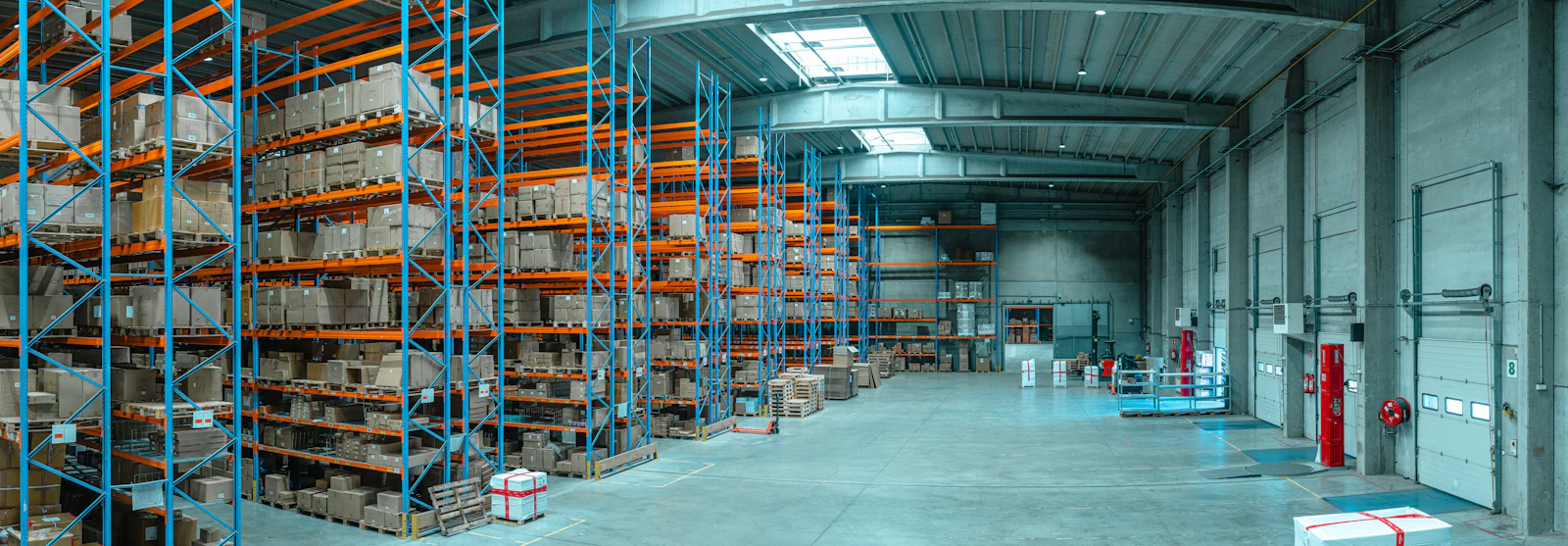
What belongs in an after-hours industrial janitorial scope?
An after-hours plan may cover approved pedestrian floors, restrooms, breakrooms, support offices and ordinary waste. Production machinery, hazardous residues and specialist industrial services require separate authorization and qualifications.
Begin with a map of active operations, storage zones and staff areas. A building may look quiet at night while still receiving deliveries or running a small shift. Cleaning routes should account for that activity. Identify which aisles can close temporarily, where tools may be staged and which manager has authority to release an area for work.
A Toy Warehouse District wholesale space and a Boyle Heights industrial property may have very different patterns of use. Separate recurring housekeeping from periodic deep cleaning, machine scrubbing or elevated dust removal. When those tasks are grouped under one vague promise, the team can face an impossible work window. A written task sequence makes expectations clearer for the property contact and the next arriving shift.
Can night cleaning provide zero-downtime maintenance?
A coordinated night program can reduce disruption, but zero downtime should not be guaranteed without a verified site plan. Floor drying, protected work zones, machinery restrictions and access limits may still require a temporary closure.
Explain when each zone stops operating and when it must reopen. Work backward from the next shift’s arrival, allowing for setup, the cleaning method and any required drying or inspection. The fact that a task occurs at night does not remove the need for safe pedestrian and vehicle routes. Security personnel and drivers may still be present.
Where an operation cannot pause, the scope may need smaller work zones, different methods or a separate project arrangement. The site’s authorized personnel should control machinery shutdown and lockout procedures. Cleaners should not disconnect or service production equipment to gain access. The agreement should also explain how an unexpected delivery or occupied zone affects the planned visit and who can approve a revised sequence.
How is heavy floor scrubbing planned for an industrial warehouse?
Heavy floor scrubbing requires an assessment of the surface, residue, drainage and surrounding activity. The proposed equipment, products and drying window should be approved before work begins.
Concrete coatings, floor joints and existing damage can influence the right method. Discuss whether residue is ordinary tracked-in soil or something that needs identification by site management. Unknown chemicals, oil contamination and hazardous powders are not routine floor dirt. They may require a specialist assessment and a different service provider. Do not treat a stronger chemical or more aggressive pad as an automatic solution.
Protect nearby inventory and establish how water or residue will be collected. Review restrictions on drains, waste disposal and equipment charging or storage. A test area can help verify compatibility before a large zone is treated. Staff should know when the floor can return to use and how the completion will be communicated to security or the next shift supervisor.
What are the boundaries around trash compaction and loading dock cleaning?
Ordinary waste collection and approved loading-area cleaning can be discussed, but operating or servicing a trash compactor is not assumed. Powered equipment, moving vehicles and unknown waste need site-specific authorization and controls.
Define the ordinary waste streams and the designated disposal location. Cleaners should not reach into a compactor, clear a jam or operate unfamiliar powered equipment simply because trash collection appears in the scope. The facility should identify the authorized operators and the process for reporting a full container or equipment problem.
Loading docks also combine walking surfaces, vehicle movement and changing access. Establish a protected window and a clear boundary between permitted cleaning and active receiving. Broken pallets, unknown liquids or discarded materials may need a different response from routine sweeping. In Arts District mixed-use buildings, shared loading areas can involve several tenants, so the person authorizing work should confirm that the area is actually under their control.
What should we prepare before requesting night janitorial service?
Provide your facility location, approximate area, shift times, desired frequency and key cleaning priorities. A walkthrough should confirm the service boundary, access process and written responsibilities before scheduling is finalized.
Include the number of restrooms and staff spaces, any recurring complaints and restrictions on water, chemicals or noise. Identify a decision-maker and an after-hours escalation contact. Sensitive access details should be coordinated privately, not entered in a public form. The proposal should distinguish included tasks, optional projects and exclusions, with a clear process for reviewing changes.
Downtown Los Angeles, the Toy Warehouse District, Arts District and Boyle Heights are local reference points, not eligibility boundaries. Our commercial service focus also includes the South Park District, Historic Core District, Fashion District and Greater Los Angeles Area. Tell us where the property is and how it operates. Availability, staffing and scope require an actual review rather than a location-based automatic acceptance or rejection.
Which Los Angeles communities can inquire?
Serving Greater Los Angeles and Downtown Los Angeles (DTLA).
- Downtown Los Angeles (DTLA)
- Arts District
- South Park District
- Historic Core District
- Fashion District
- Toy Warehouse District
- Boyle Heights
- Greater Los Angeles Area
Frequently asked questions
Does night janitorial service include servicing production machinery?
No. Machinery maintenance, disconnection and lockout remain under properly authorized site control. Any specialist equipment-related work needs an expressly reviewed scope and suitable qualifications.
Will cleaners operate our trash compactor?
Not as an assumed janitorial task. Compactor operation, jams and maintenance require site authorization and appropriate personnel. Ordinary waste collection should identify the agreed disposal point and reporting process.
Can every area reopen immediately after floor scrubbing?
Not necessarily. Drying, surface conditions and safety checks can affect reopening. The work window and handover requirements should be agreed with site management before a project is scheduled.
How can I arrange a walkthrough?
Call True Clean Custodial Services at (562) 212-5689 to discuss your property. The interactive inquiry form loads with JavaScript; you can call or text our business number without it.