Post-Construction Cleaning Checklist for DTLA Tenant Improvements
Post-Construction · Downtown Los Angeles · · 8 min read
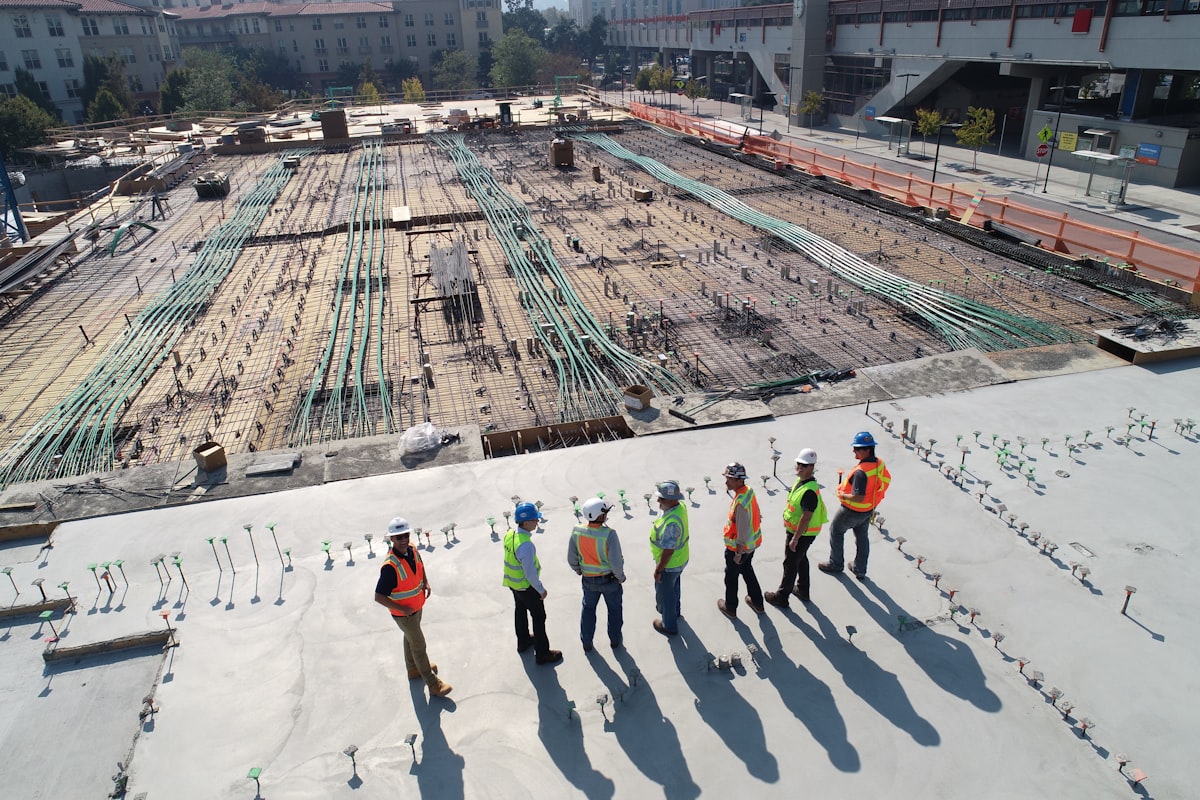
What does post-construction cleaning include for commercial tenant improvements?
Post-construction cleaning for commercial tenant improvements typically includes three phases: rough cleaning during construction (debris removal and dust suppression), construction cleaning after the GC punch list (gross debris, dust, and window cleaning), and detail cleaning pre-occupancy (HEPA vacuuming of all surfaces including ceiling grid and HVAC registers, floor care, fixture polishing, and final walkthrough). HEPA-filtered equipment is essential to prevent construction dust from contaminating adjacent occupied suites through shared HVAC systems.
Tenant improvement projects in DTLA commercial buildings — whether a 3,000-square-foot suite renovation in the Financial District or a full-floor creative office buildout in the Arts District — generate a volume and character of construction contamination that standard janitorial equipment cannot adequately address. Construction dust is fine, electrostatically charged, and penetrates into HVAC systems, light fixtures, and ceiling grid elements that nightly cleaning crews simply won't reach with conventional equipment. A properly sequenced post-construction cleaning program protects the landlord's finished surfaces, accelerates the final inspection timeline, and hands the incoming tenant a space that reads as occupancy-ready — not construction-adjacent.
The Three Phases of Post-Construction Cleaning
Post-construction cleaning is not a single event — it is a phased process aligned with the construction project's completion milestones. Attempting to execute a final detail clean before the GC has completed punch-list work and HVAC has been commissioned results in re-contamination that wastes both time and budget. Communicate these three phases to your GC and property management team before construction begins.
- Phase 1 — Rough Clean (during construction): ongoing debris removal, dumpster area management, and periodic dust suppression to control site conditions and protect adjacent occupied suites
- Phase 2 — Construction Clean (post-GC punch list): comprehensive removal of construction debris, gross dust elimination, window cleaning of construction-coated glass, and surface preparation for detail cleaning
- Phase 3 — Detail/Final Clean (pre-occupancy): HEPA vacuum of all surfaces including ceiling grid and ductwork registers, detail cleaning of all interior surfaces, floor care and protection film removal, fixture polishing, and final walkthrough with punch-list sign-off
HEPA Filtration: Non-Negotiable for DTLA TI Projects
Construction dust in commercial environments includes silica particulates, gypsum, and volatile organic compounds from adhesives, paints, and sealers. Standard vacuum equipment recirculates fine particles through exhaust — effectively redistributing rather than eliminating the contamination. All post-construction cleaning work in occupied DTLA commercial buildings should require HEPA-filtered vacuum equipment (minimum 99.97% efficiency at 0.3 microns) to prevent contamination of adjacent occupied suites through shared HVAC systems and corridor airflows.
Window and Glass Cleaning in Post-Construction Environments
Construction glass contamination includes drywall overspray, silicone smears, adhesive residue from protection film, and concrete splatter — none of which respond to standard commercial glass cleaner. Post-construction window cleaning for DTLA high-rise TI projects requires a staged approach: mechanical removal of overspray and film adhesive using appropriate solvents, followed by professional glass cleaning with squeegee technique. Aggressive scrubbing with improper tools on low-E or tempered glass creates permanent surface scratches that require glass replacement.
- Remove protection film from glass using a plastic scraper — never metal blade on tinted or coated glass
- Adhesive residue from film requires a solvent-based film remover before glass cleaning can begin
- Drywall overspray on glass requires a non-abrasive wet removal technique before standard cleaning
- Final squeegee cleaning from top to bottom; inspect each lite from multiple angles at completion
- Document any pre-existing glass damage (scratches, chips) before protection film is removed
Floor Protection and Final Floor Care Sequencing
In DTLA TI projects, new floor surfaces — polished concrete, LVP, carpet, and ceramic tile — are frequently installed under construction protection paper or plastic sheeting. Removing this protection film incorrectly damages the floor surface and leaves adhesive residue. True Clean Custodial Services's post-construction floor teams follow a strict sequencing protocol: protection removal, surface assessment (document any construction damage in writing), gross debris removal, appropriate surface-specific cleaning, and final inspection before tenant move-in access is granted.
Key takeaways
- Post-construction cleaning has three distinct phases: rough clean, construction clean, and detail/final clean
- HEPA-filtered vacuum equipment is non-negotiable for TI detail cleaning in multi-tenant DTLA buildings
- Always work top-to-bottom during the HEPA cleaning sequence — construction dust settles continuously
- Construction glass requires staged cleaning: film/adhesive removal before standard glass cleaning
- Document all floor and glass conditions in writing before protection materials are removed
Frequently asked questions
What does post-construction cleaning include for commercial tenant improvements?
Post-construction cleaning for commercial tenant improvements typically includes three phases: rough cleaning during construction (debris removal and dust suppression), construction cleaning after the GC punch list (gross debris, dust, and window cleaning), and detail cleaning pre-occupancy (HEPA vacuuming of all surfaces including ceiling grid and HVAC registers, floor care, fixture polishing, and final walkthrough). HEPA-filtered equipment is essential to prevent construction dust from contaminating adjacent occupied suites through shared HVAC systems.
How long does post-construction cleaning take for a DTLA office suite TI?
A typical 5,000–10,000 sq ft DTLA office suite post-construction detail clean requires 2–4 days with a professional crew of 3–4 specialists, depending on the complexity of finishes, the quantity of overhead HVAC and ceiling work, and the extent of glass cleaning required. Larger floor plates (20,000+ sq ft) or projects with extensive millwork, glass walls, or specialty surfaces should plan for 5–7 days. True Clean Custodial Services provides written scope and timeline estimates after a post-construction site walk.
Who is responsible for post-construction cleaning — the GC or the property manager?
Responsibility is typically defined in the Tenant Improvement Agreement between the landlord and tenant. In most DTLA TI scenarios, the GC is responsible for rough cleaning and construction debris removal through punch list completion, and the property manager or tenant procures a professional post-construction cleaning vendor for the detail/final clean prior to occupancy. Confirm responsibility in writing during TI planning — not after the GC demobilizes.
Does True Clean Custodial Services provide post-construction cleaning services for DTLA tenant improvements?
Yes. True Clean Custodial Services provides all three phases of post-construction cleaning for DTLA commercial TI projects, including HEPA detail cleaning, glass restoration, floor protection removal and care, and pre-occupancy walkthrough documentation. We coordinate directly with GCs and property management teams and provide written completion reports with before-and-after documentation. Contact us to schedule a site walk and scope estimate.
Request a proposal
Serving Greater Los Angeles and Downtown Los Angeles (DTLA). Orange County inquiries are welcome.
Call (562) 212-5689 or text our business number. The interactive inquiry form loads with JavaScript.
Request a proposal online