Vacancy & Tenant Improvement Cleaning: Preparing Commercial Spaces for Fast Leasing
Property Turnovers · Downtown Los Angeles · · 6 min read
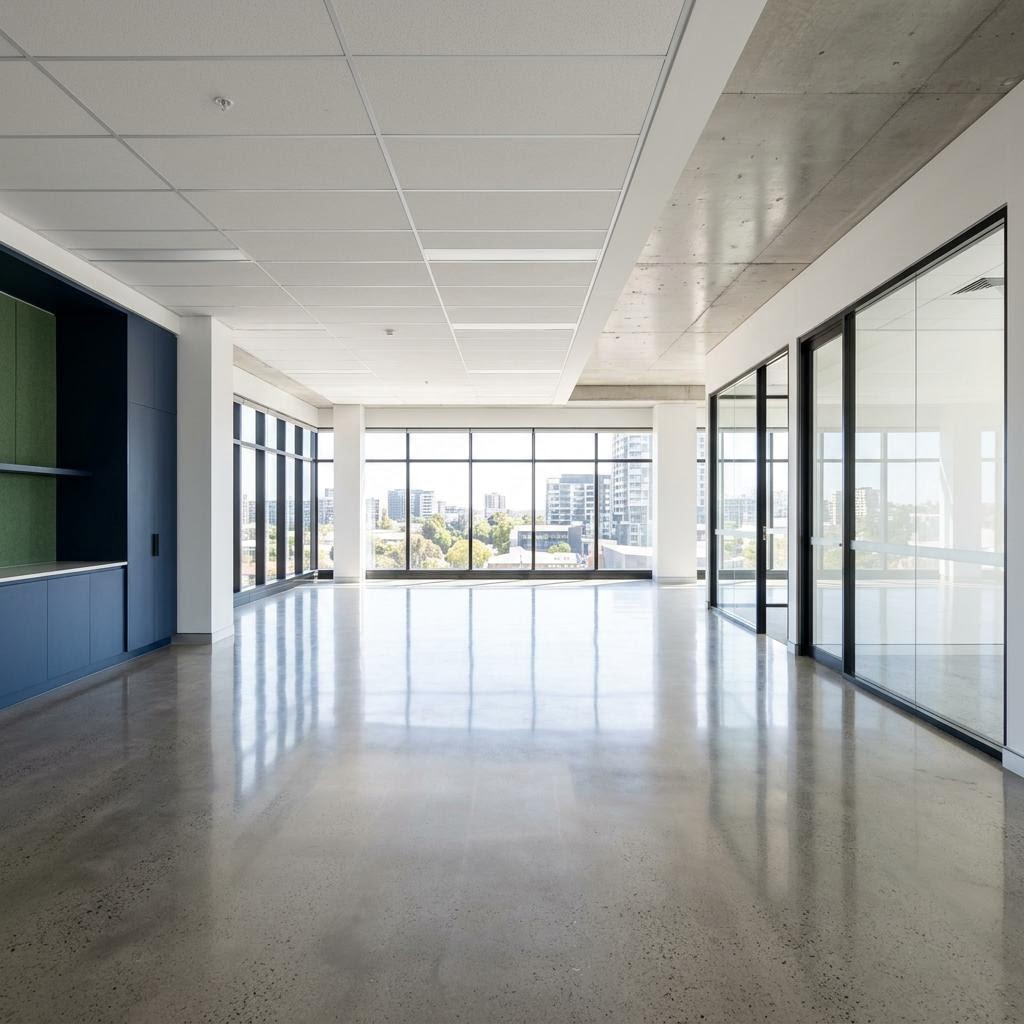
What is included in a commercial vacancy clean in Los Angeles?
A commercial vacancy clean normally follows a site walkthrough, removal of agreed nonhazardous debris, HEPA dust collection, detailed cleaning of accessible fixtures and glass, restroom and kitchen cleaning, and finish-compatible floor care. Complete a punch-list inspection and schedule a touch-up after remaining trades. Hazardous materials and permit approvals require separate qualified processes.
- 1. Walk through the suite, identify finishes and confirm hazards and exclusions.
- 2. Remove agreed nonhazardous debris and vacuum loose dust using suitable equipment.
- 3. Detail accessible sills, ledges, fixtures, doors and interior glass.
- 4. Clean restrooms and kitchen surfaces; service approved floor finishes.
- 5. Inspect the result, record remaining issues and arrange a final touch-up if needed.
A tenant improvement project is not complete for the leasing team when the last tool leaves. Construction dust can remain on sills, fixtures and floors; adhesive residue and paint specks can undermine an otherwise impressive finish. Property managers in DTLA need a cleaning sequence that works with the construction schedule, protects new materials and produces a documented handover—not a rushed wipe-down while trades are still creating debris.
Rough clean versus final clean: define the construction milestones
A rough clean removes agreed bulk debris and loose dust after the space is safe to enter. A final clean happens when dusty trade work is complete, protective coverings can be removed with permission, and finishes are ready for their specified maintenance. A touch-up clean follows punch-list repairs, inspections or repeated walkthroughs. Quote these stages separately so a return visit is not treated as an unexpected failure of the first clean.
Before mobilizing, the site supervisor should confirm safe access, utilities, elevator use, ventilation and which trades remain. Ordinary janitorial teams should not take responsibility for demolition debris, exposed electrical work or unidentified hazardous material. Document exclusions and stop-work procedures before service starts.
Removing drywall dust and paint overspray safely
Construction dust is not simply tracked-in dirt. Assess the material and use suitable dust-control methods; avoid dry sweeping or compressed air that can redistribute fine particles. HEPA-filtered vacuuming and damp wiping may be appropriate after the site is cleared for cleaning. Silica, lead, asbestos or other suspected hazards require qualified assessment and controls; a standard vacancy clean is not hazardous-material remediation.
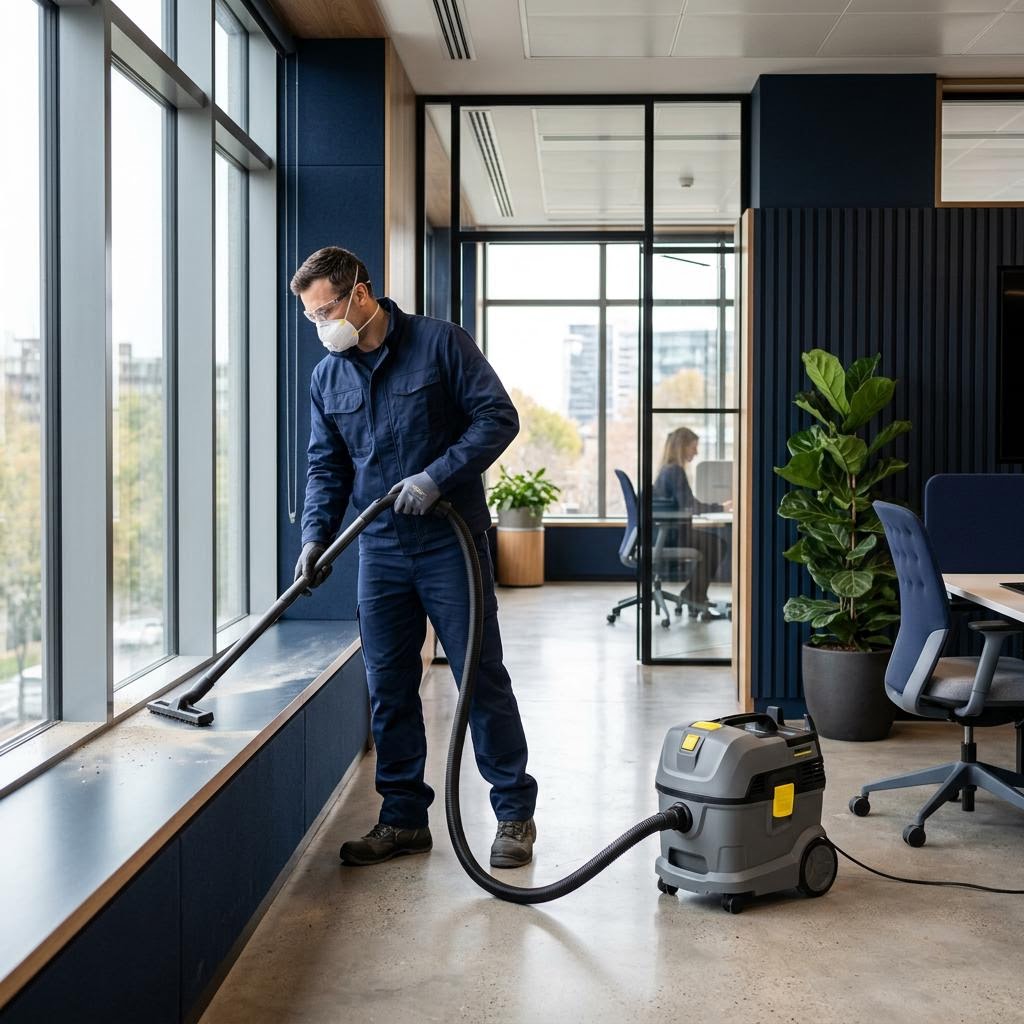
For paint specks or overspray, identify the substrate before removal. Coated glass, film, natural stone and factory-finished metal can be permanently damaged by scraping or solvent use. Obtain permission, check care instructions and test a small hidden area. Report uncertain residue rather than using a stronger chemical without approval.
Floor stripping and waxing: only when the finish calls for it
Resilient floors that are designed to receive finish may need a carefully planned strip-and-refinish cycle. Polished concrete, some luxury vinyl products and hardwood often need completely different treatment. Fresh coatings also require cure time. Record the floor type, manufacturer instructions, approved products and the time before foot traffic can resume; never treat 'freshly waxed' as the universal definition of a clean vacancy.
A detailed tenant-turn handover checklist for LA property managers
- Confirm trade completion, surface care instructions, access and exclusions at the walkthrough.
- Remove agreed debris, dispose of it appropriately and collect loose dust with suitable controls.
- Clean accessible high-to-low surfaces: fixtures, ledges, frames, sills and baseboards.
- Detail interior glass and approved doors without damaging coatings or hardware.
- Clean and disinfect approved restroom and kitchen touch surfaces according to product labels.
- Complete finish-compatible floor care and allow the required drying or cure period.
- Inspect under working lights, document damage or remaining trade work and sign off the punch list.
- Schedule a touch-up after repairs or showing traffic when necessary.
Make leasing faster without promising occupancy permits
A clean, documented suite lets leasing teams focus on the space rather than distracting debris. It may reduce cleaning-related rework, but occupancy approval is determined by the relevant authorities and project requirements. Coordinate cleaning with—not as a replacement for—permit and inspection milestones. Set a showing date only after the final service window and any floor cure time are confirmed.
Key takeaways
- Separate rough, final and touch-up service milestones.
- Assess construction dust and hazards before choosing a removal method.
- Do not scrape glass or use solvents without surface approval.
- Strip or wax only floors designed for those processes.
- Cleaning prepares a suite for showing; it does not authorize occupancy.
Frequently asked questions
What is included in a commercial vacancy clean in Los Angeles?
A commercial vacancy clean normally follows a site walkthrough, removal of agreed nonhazardous debris, HEPA dust collection, detailed cleaning of accessible fixtures and glass, restroom and kitchen cleaning, and finish-compatible floor care. Complete a punch-list inspection and schedule a touch-up after remaining trades. Hazardous materials and permit approvals require separate qualified processes.
Does vacancy cleaning include hazardous construction waste?
No, unless separately arranged with an appropriately qualified provider. Suspected asbestos, lead, silica exposure or other hazards require assessment and appropriate controls. Confirm waste responsibilities before work starts.
Can a final clean happen while trades are still working?
It can lead to rapid recontamination. Schedule final cleaning after dusty work is complete and plan a separate touch-up for remaining punch-list activity. The site supervisor should confirm that the area is safe to enter.
Will cleaning speed up an occupancy permit?
Cleaning can prepare the space for handover and reduce cleaning-related delays, but it cannot guarantee or grant a permit. Occupancy decisions depend on the authorities, inspections and the project's compliance requirements.
Turn over your vacant commercial spaces faster
Call True Clean to discuss rapid-response vacancy cleaning and confirm availability for your handover.
Call About Vacancy CleaningRequest a proposal
Serving Greater Los Angeles and Downtown Los Angeles (DTLA). Orange County inquiries are welcome.
Call (562) 212-5689 or text our business number. The interactive inquiry form loads with JavaScript.
Request a proposal online